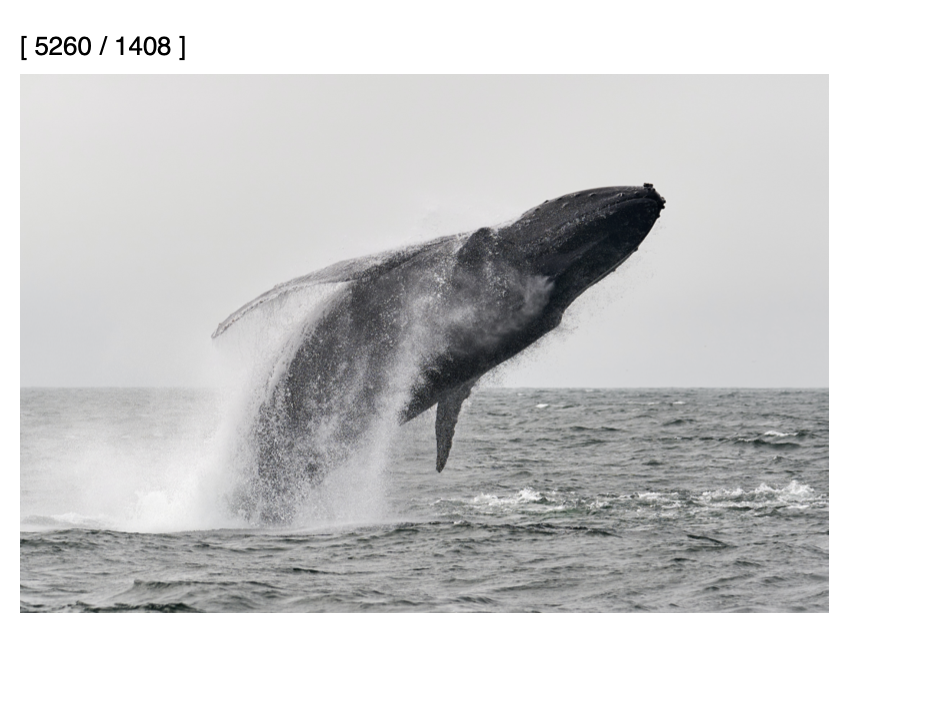
Remote Viewing Session
As mentioned in the book (p. 283), this is the remote viewing session where I (in my opinion) accurately described a whale breaching the surface. At the time of the session, I had no prior information about the target image.
Below are my original session notes. The protocol I used here is slightly more advanced than the version outlined in the book, but you’ll see the information broken into three sub-sessions.
In more advanced remote viewing methods, you typically begin by identifying the primary elements of the target (in this case: the whale, the ocean surface, and the spray coming off the whale), and then conduct a separate session for each component.
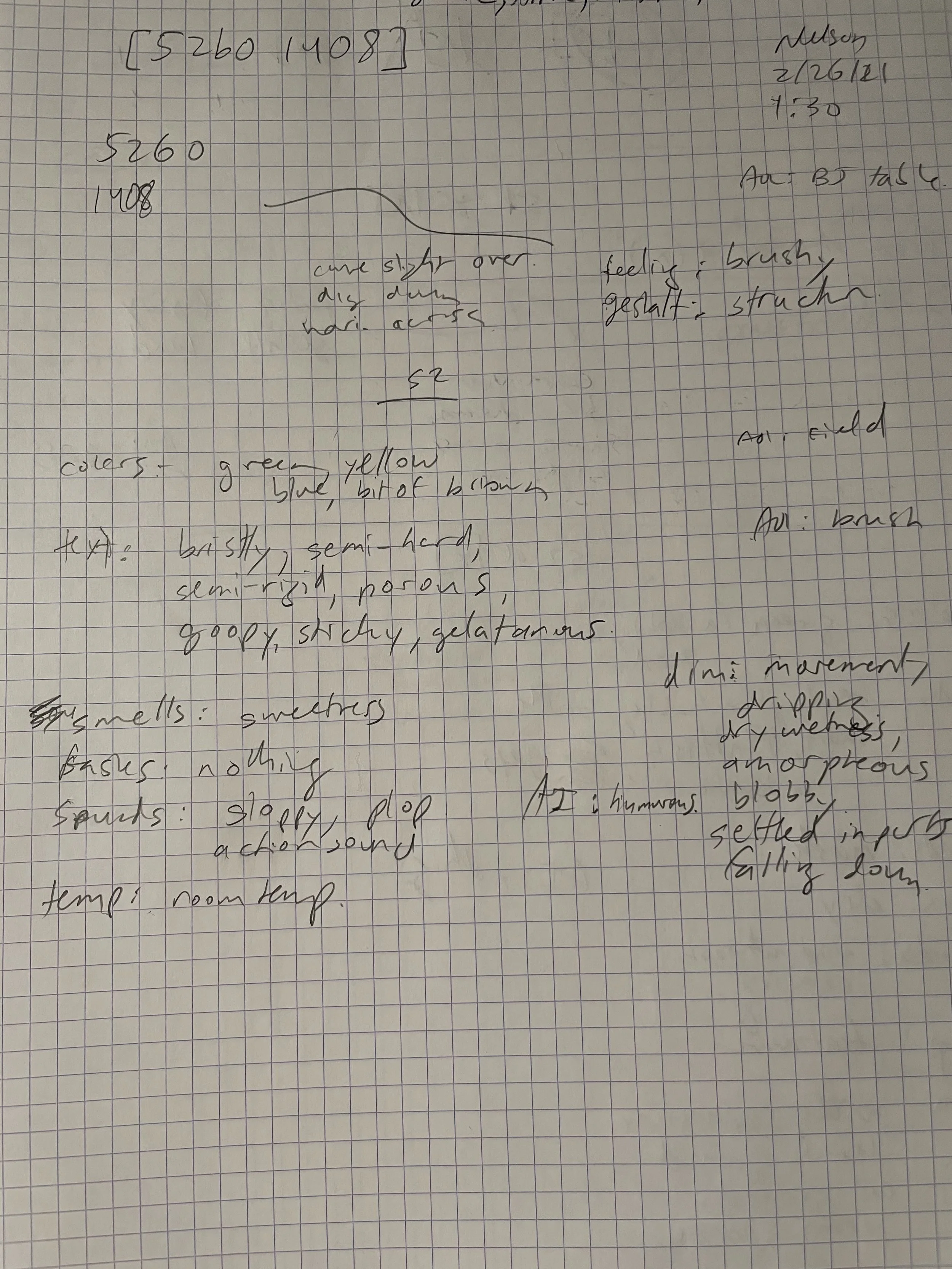
The start of the session. Picking up on the signal. Picking up a bit on the wetness of the scene.
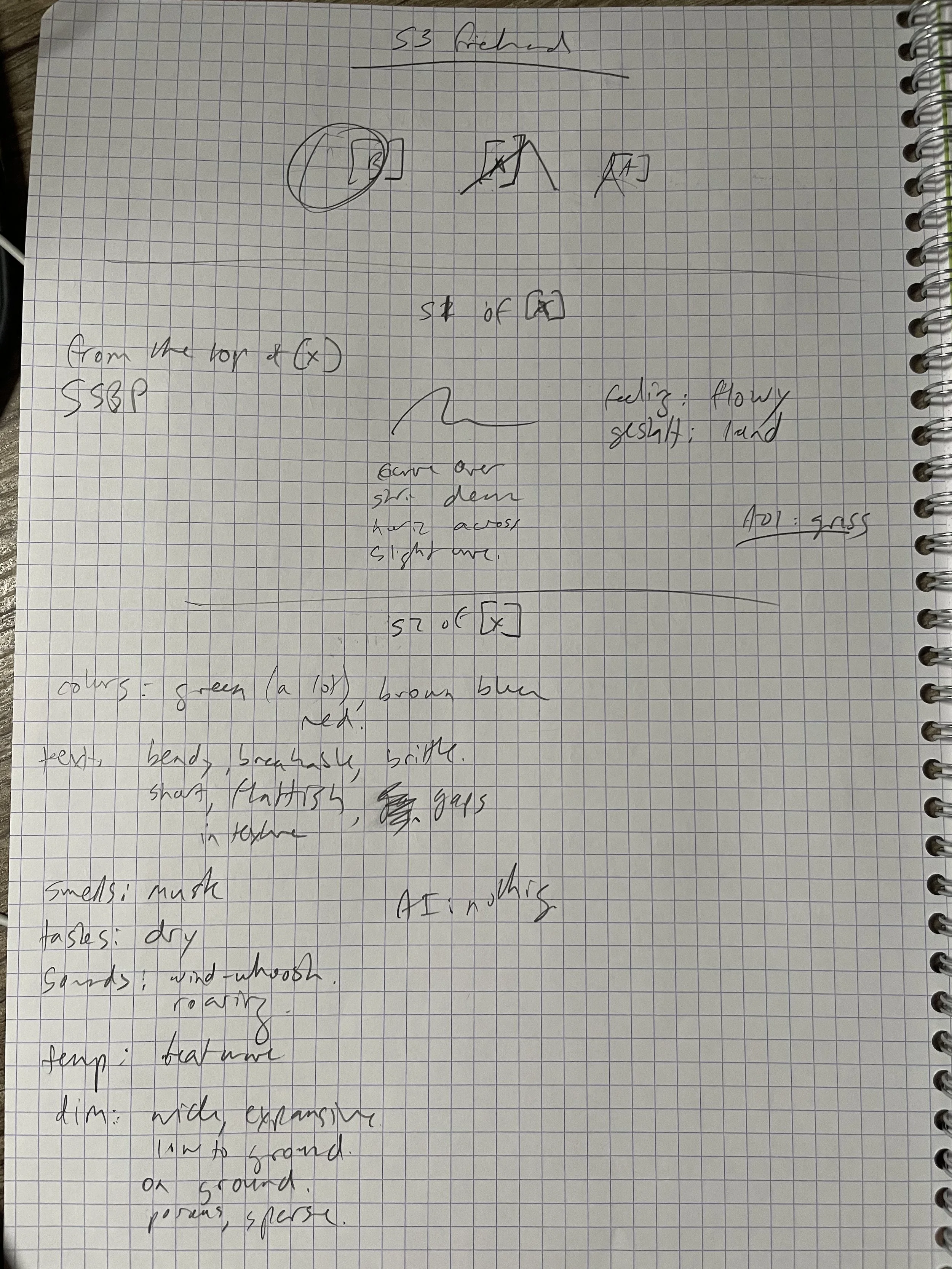
Breaking up the image into 3 sub-components and starting the session on the middle item.
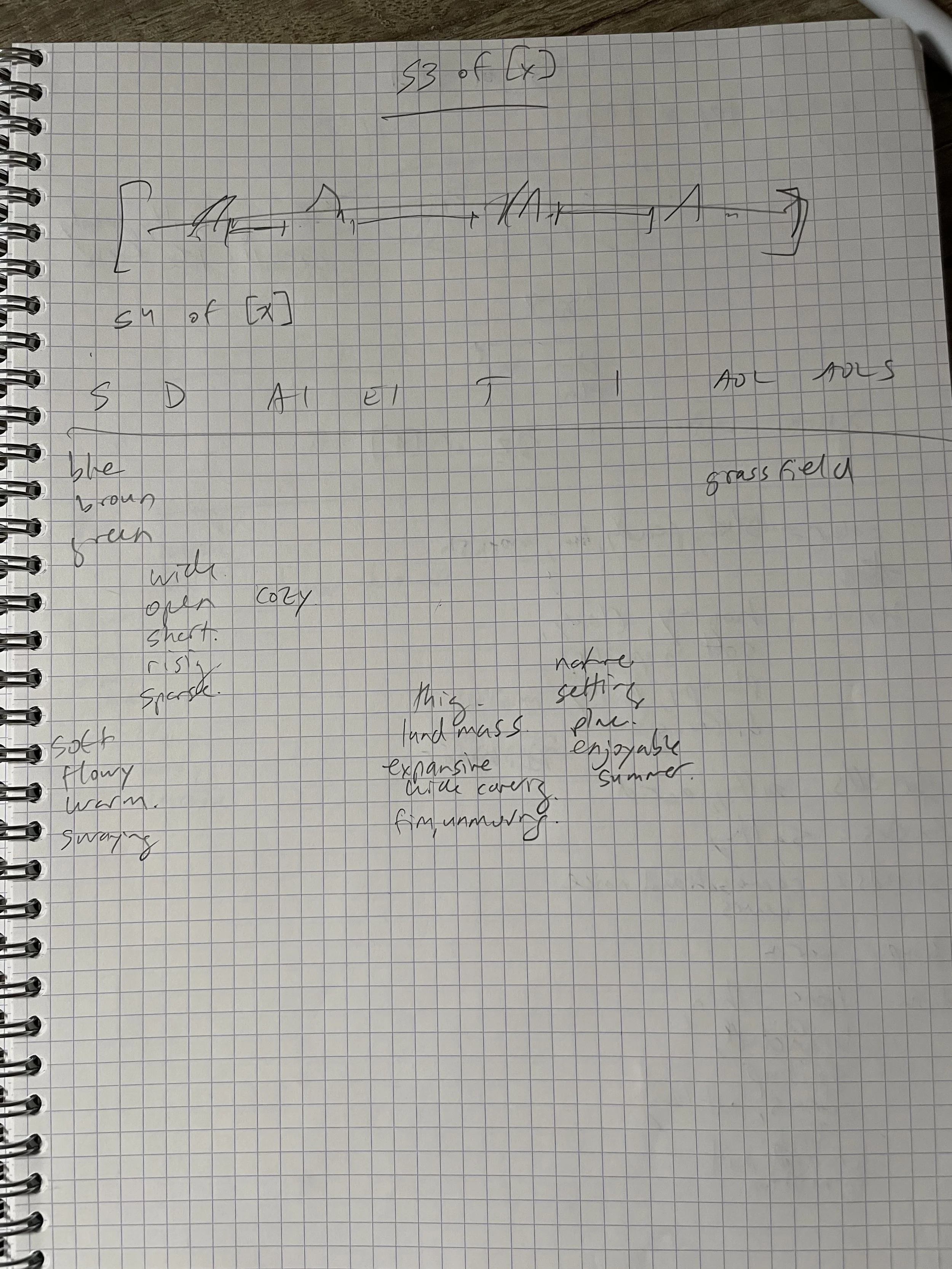
Going more in-depth with the descriptors for that sub-component (in this case, the ocean). Clearly picking up on the turbulent nature of the surface of the ocean, as well as its wetness.
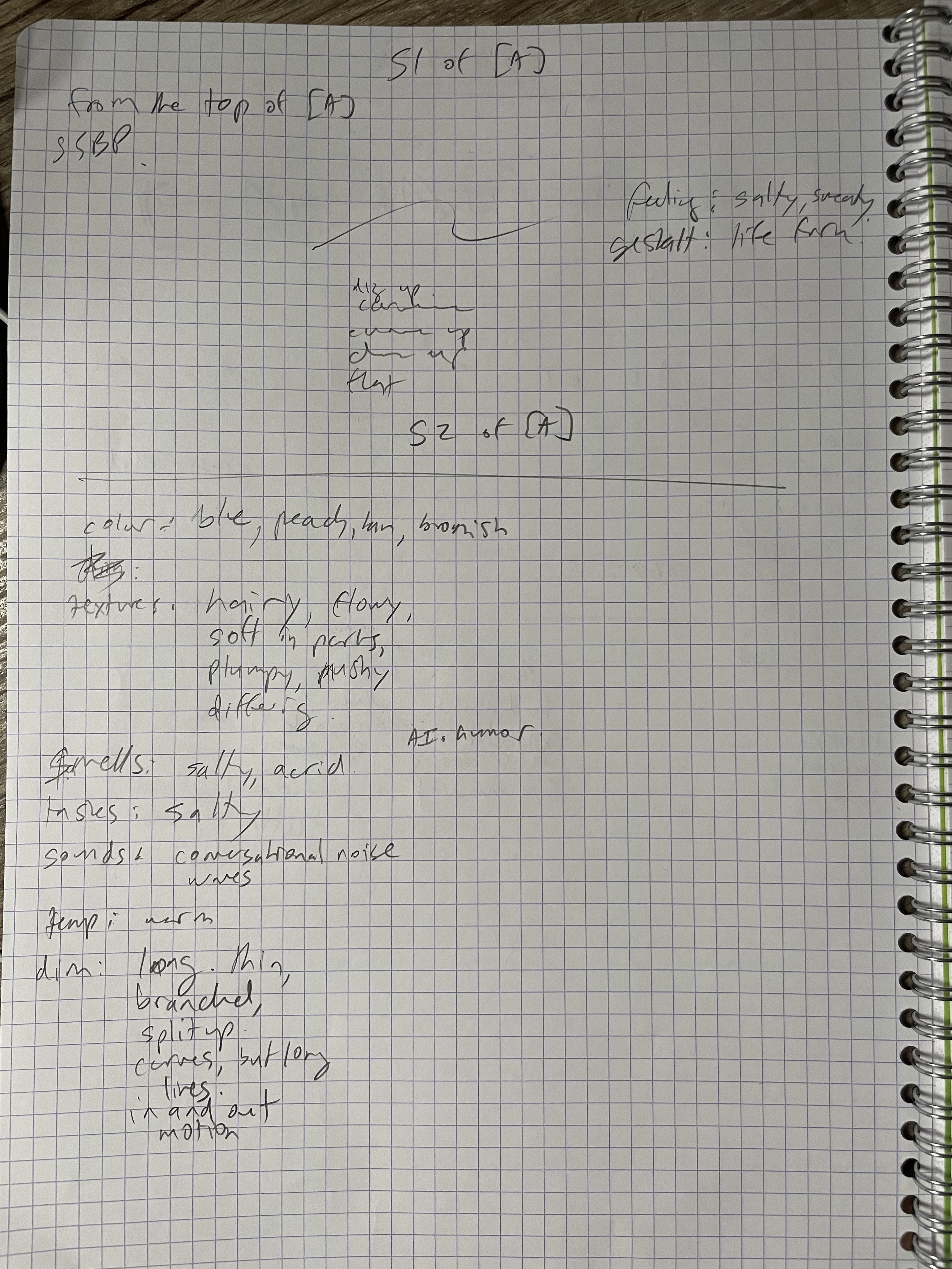
Starting the second session on the next item. This one is starting to take shape as a lifeform.
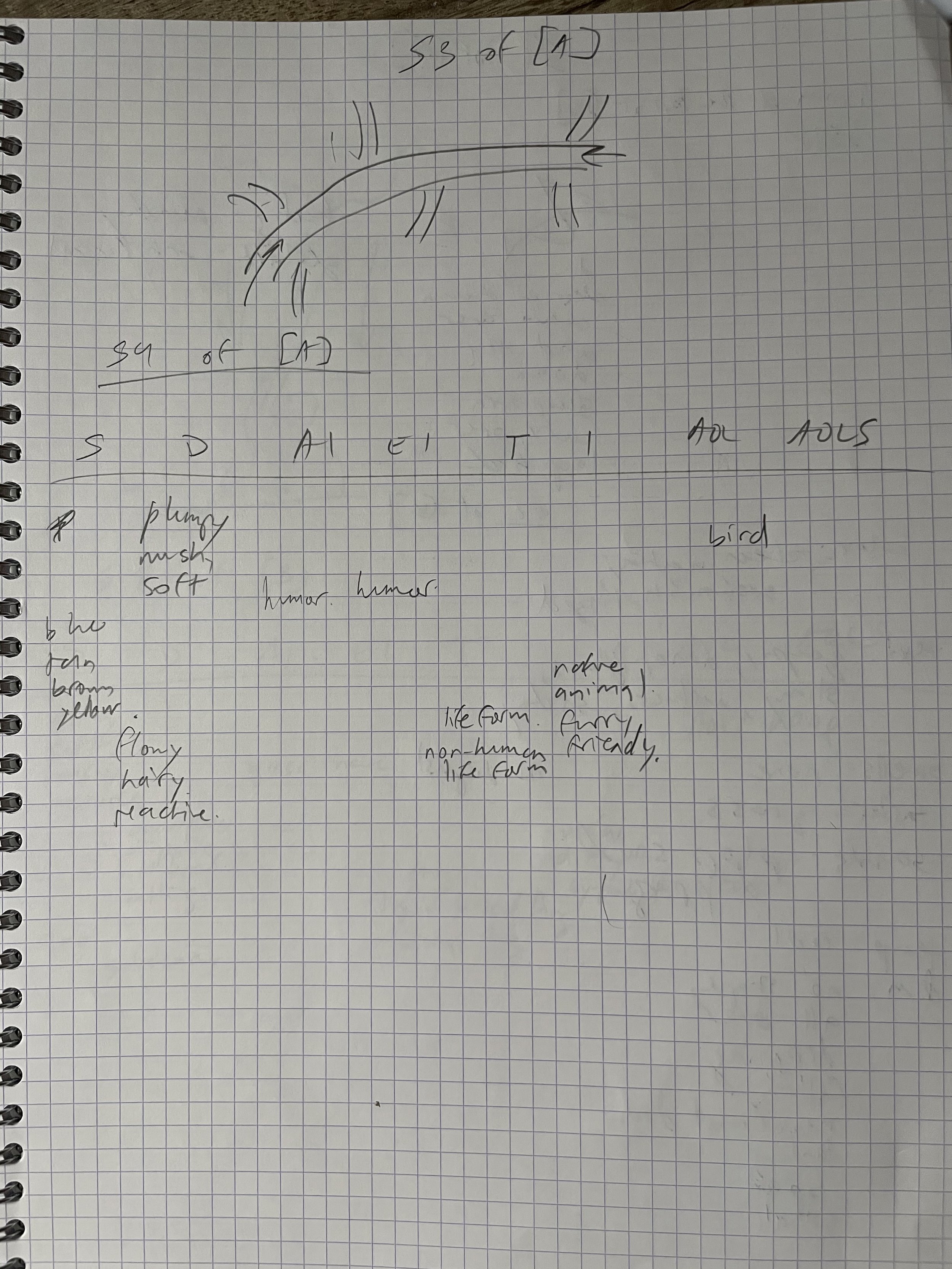
The sketch here shows the shape of the whale and its breaching moment taking form.
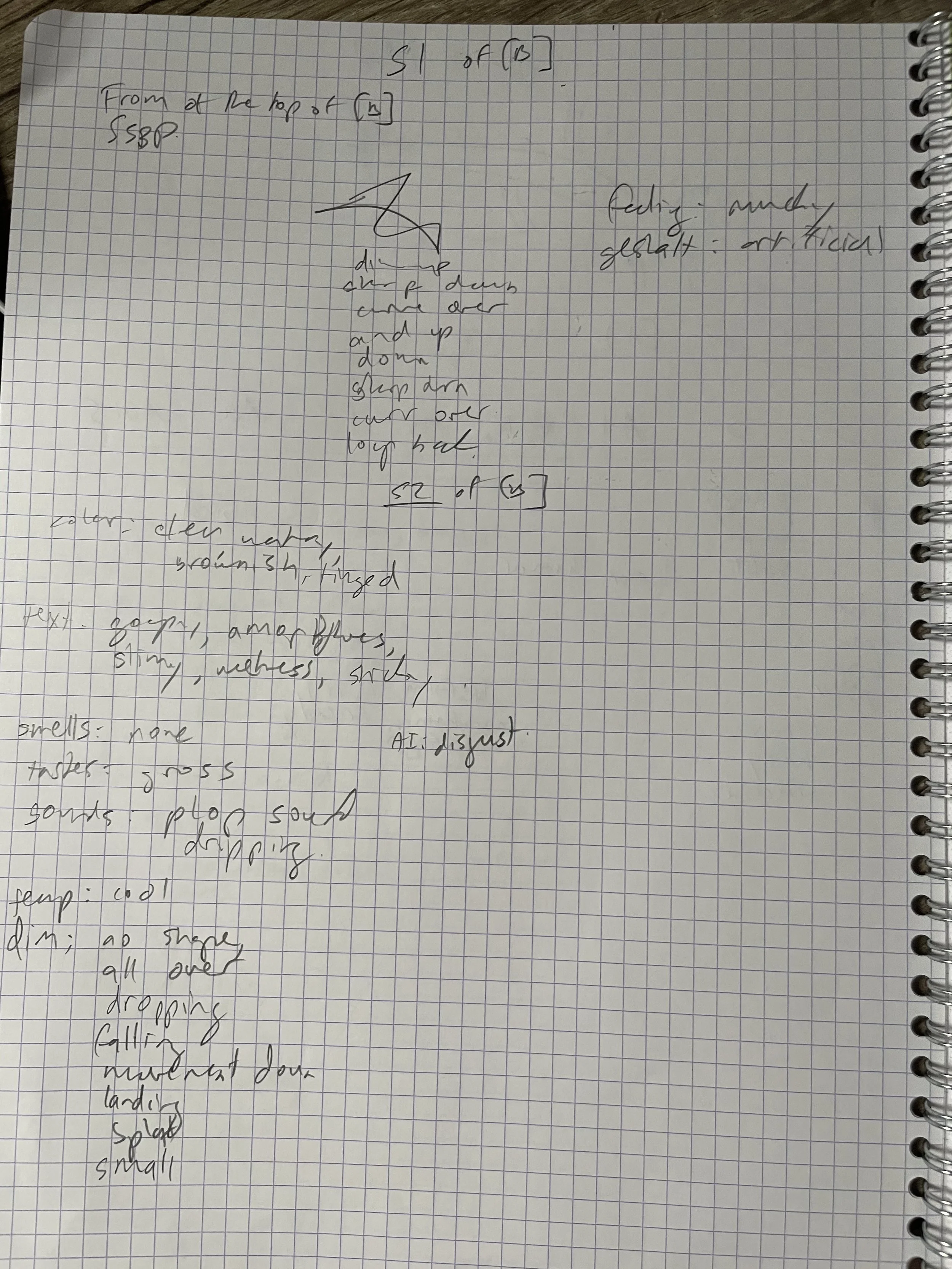
Finally, the last session for the last item (the water dripping down from the whale). A lot of wet references here.
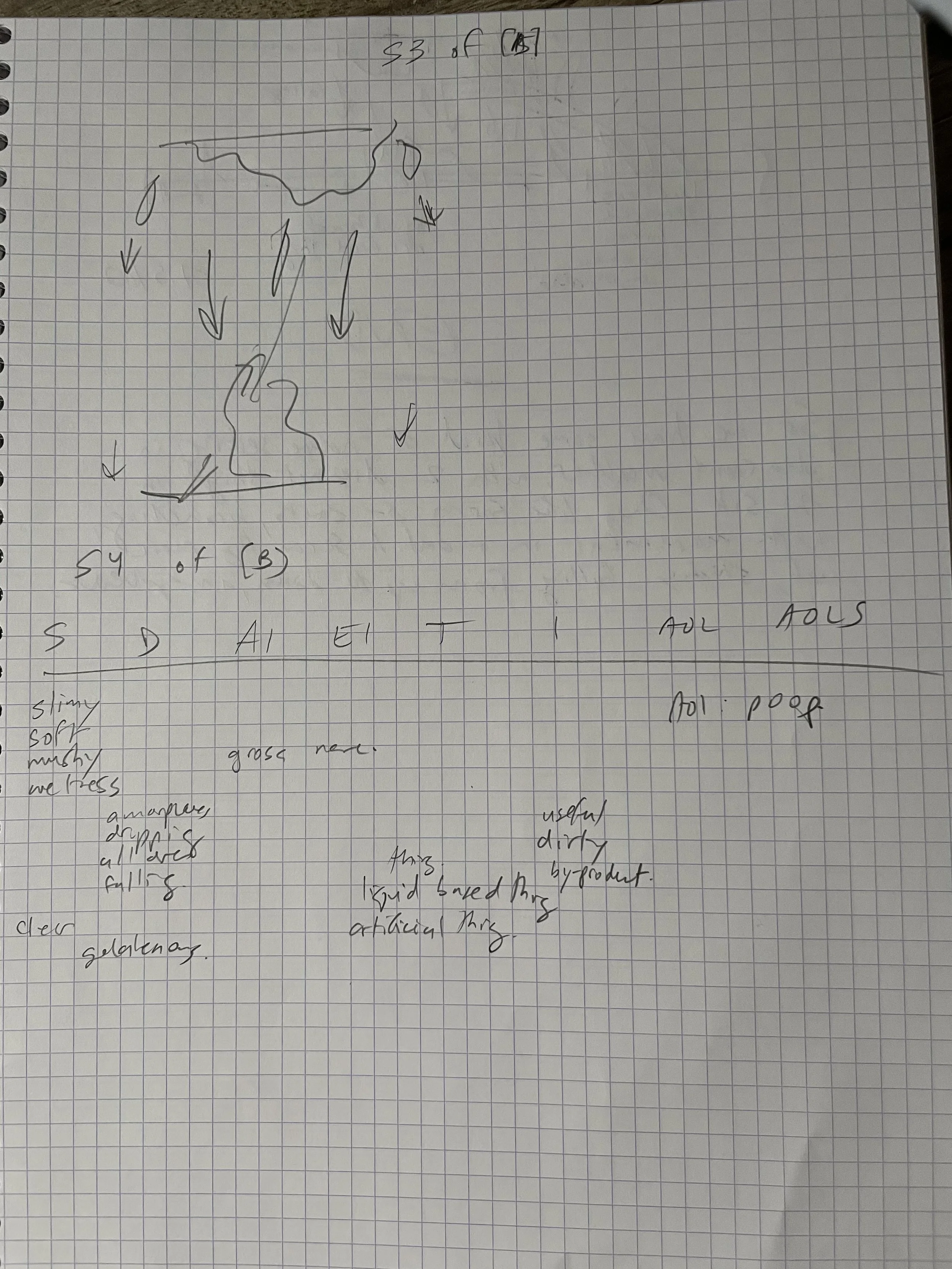
The sketch here is clearly showing water dripping downwards.
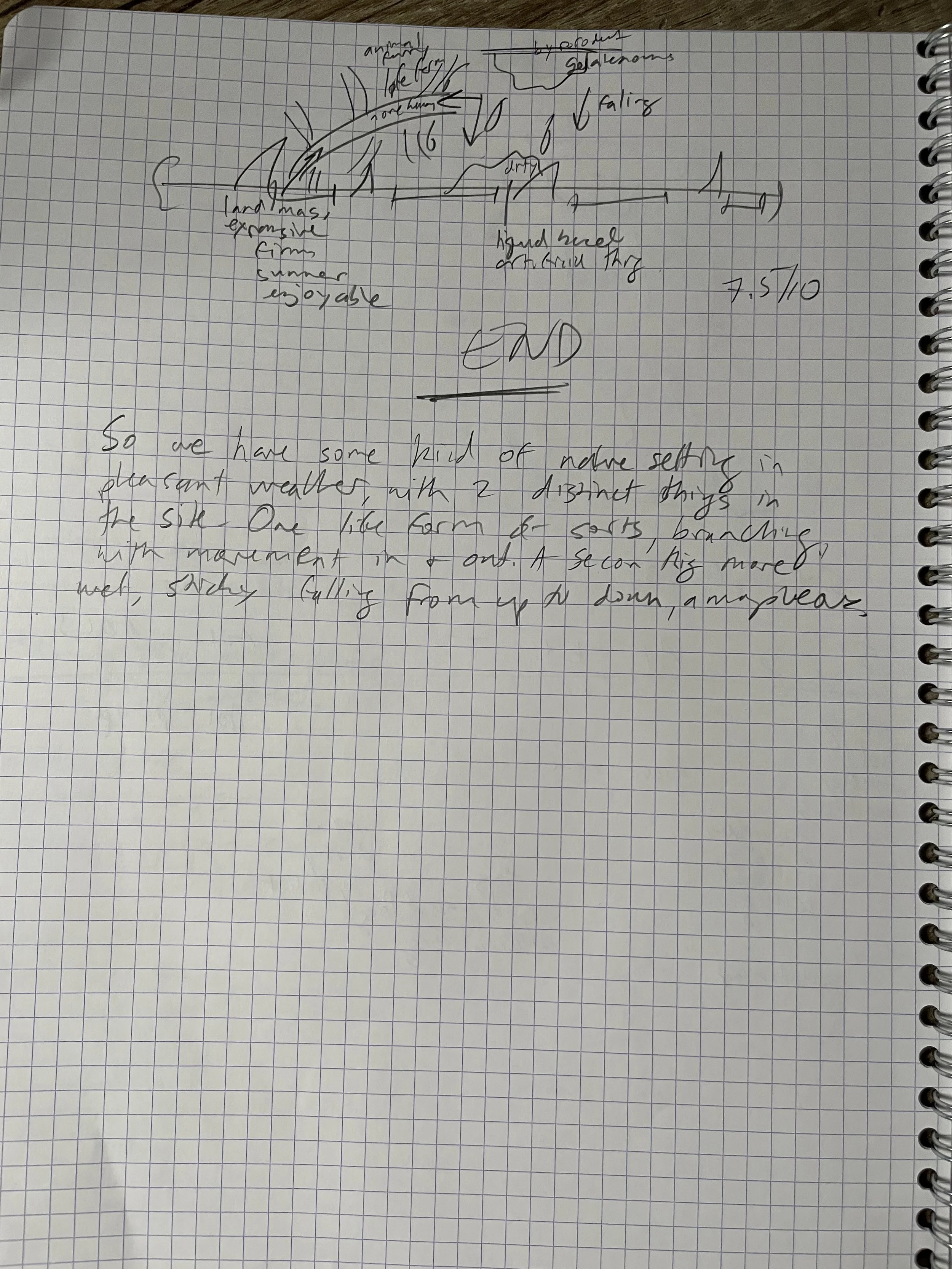
A final sketch, putting all the three sessions together in a composite sketch and final description. Notice, even still being pretty accurate, I give the session a 7.5/10. I was always VERY harsh, most sessions getting a score of 3 or 4 (even when they objectively were very accurate).